Menopause can bring noticeable changes throughout the body, and the skin is no exception. Even people who have followed the same skincare routine successfully for years may suddenly notice increased dryness, changes in texture, more visible lines, or a loss of firmness. Products that once worked well may no longer provide the same results.
These changes are not simply a matter of getting older. Hormonal shifts during menopause can directly affect several components that influence how the skin looks and feels. Understanding those changes can make it easier to adjust your skincare and aesthetic treatment plan accordingly.
How Menopause Changes the Skin
Estrogen plays an important role in maintaining skin thickness, hydration, elasticity, and collagen. As estrogen levels decline during menopause, the skin may become thinner and produce less natural oil.
The result can be increased dryness and sensitivity along with a gradual loss of firmness. Some women also notice that fine lines become more apparent or that their skin no longer has the same plump, resilient quality it once did.
Collagen changes are particularly important. Because collagen provides structural support, declining levels can contribute to softer contours, wrinkles, and changes in skin texture.
Dryness May Become a Bigger Concern
A skincare routine that worked well before menopause may suddenly feel insufficient. Reduced oil production can make the skin feel tight, rough, or persistently dehydrated.
This is a good time to reconsider overly aggressive products or frequent exfoliation. Trying to correct dullness by continually stripping the skin can sometimes make dryness and sensitivity worse.
Gentle cleansing and consistent moisturizing become increasingly important. Products designed to support the skin barrier can help retain moisture and keep the complexion feeling more comfortable.
Sun Protection Becomes Even More Important
Years of accumulated sun exposure may become increasingly visible during this stage of life. Brown spots, uneven pigmentation, fine lines, and textural changes can all reflect previous UV damage.
Daily broad-spectrum sunscreen helps protect against additional damage, including damage to the collagen that remains in the skin. Sun protection is also essential when professional treatments are being used to address pigmentation or texture.
While sunscreen cannot reverse existing changes, it can help keep them from progressing unnecessarily.
Supporting Collagen Through Professional Treatments
When collagen loss begins affecting firmness and texture, treatments designed to stimulate the skin’s natural remodeling processes may be helpful.
SkinPen microneedling creates controlled microchannels that are intended to prompt the skin’s natural healing response. RF microneedling combines this process with radiofrequency energy delivered below the skin’s surface, which is designed to further support collagen remodeling.
Results from collagen-focused treatments develop gradually. Rather than producing an immediate change, they rely on the skin’s own renewal processes, and any improvement in skin quality appears over time and varies from person to person.
Addressing Tone and Sun Damage
Menopausal skin can have more than one concern at once. Along with dryness and collagen loss, years of sun exposure may have left visible pigmentation and uneven tone.
IPL treatment may be appropriate for certain types of visible sun damage and discoloration. Medical-grade chemical peels can also help improve surface texture, dullness, and uneven tone in appropriate candidates.
A personalized evaluation is important because mature skin does not necessarily need aggressive treatment. The objective should be improving quality while respecting changes in sensitivity and recovery.
Fine Lines and Facial Changes
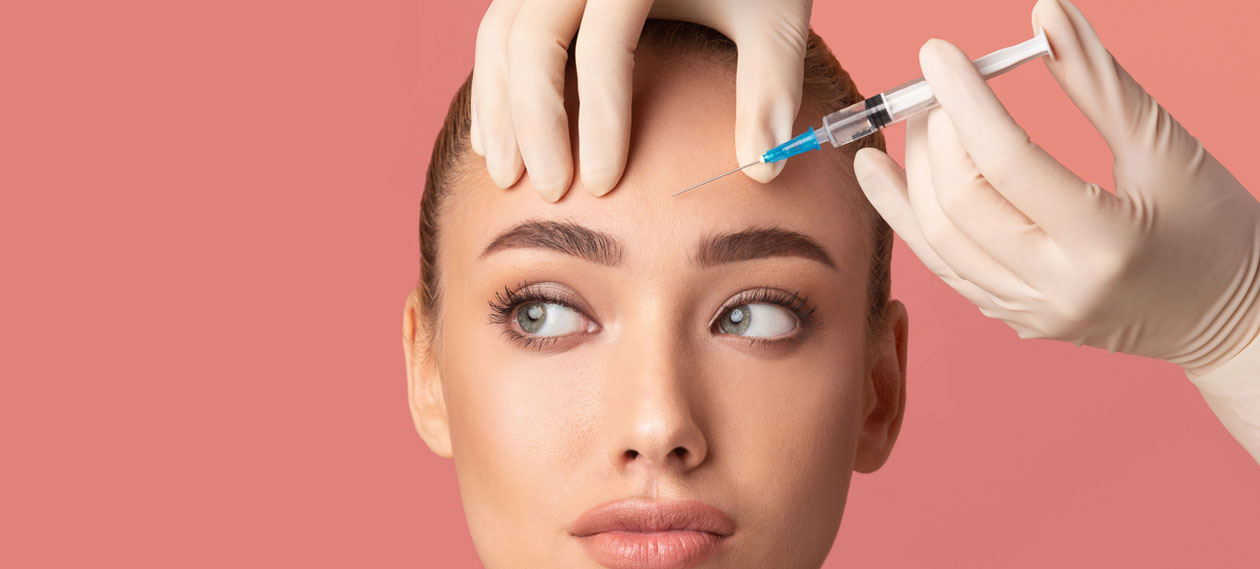
Menopause can also coincide with more noticeable expression lines and changes in facial volume. Botox, Dysport, or Xeomin may be used to soften certain wrinkles caused by repetitive muscle movement, while dermal fillers can address appropriate areas of volume loss.
The key is restraint. Treating every visible sign of aging at once can create an unnatural result. A gradual plan that considers skin quality, movement, and facial balance can help create a more refreshed appearance.
Your Skincare Strategy Should Be Allowed to Change
The routine that worked at 35 does not necessarily need to be the routine you follow at 50 or 60. Skin changes throughout life, and effective care should change with it.
During menopause, the priorities often shift toward preserving moisture, protecting existing collagen, encouraging renewal, and addressing specific concerns without overwhelming the skin. Some people need more hydration, while others are primarily concerned with pigmentation, texture, fine lines, or firmness.
Menopause often means the skin needs a different type of support. Combining thoughtful daily care with carefully selected aesthetic treatments can help maintain smoother, brighter, and more resilient-looking skin throughout this transition and beyond.