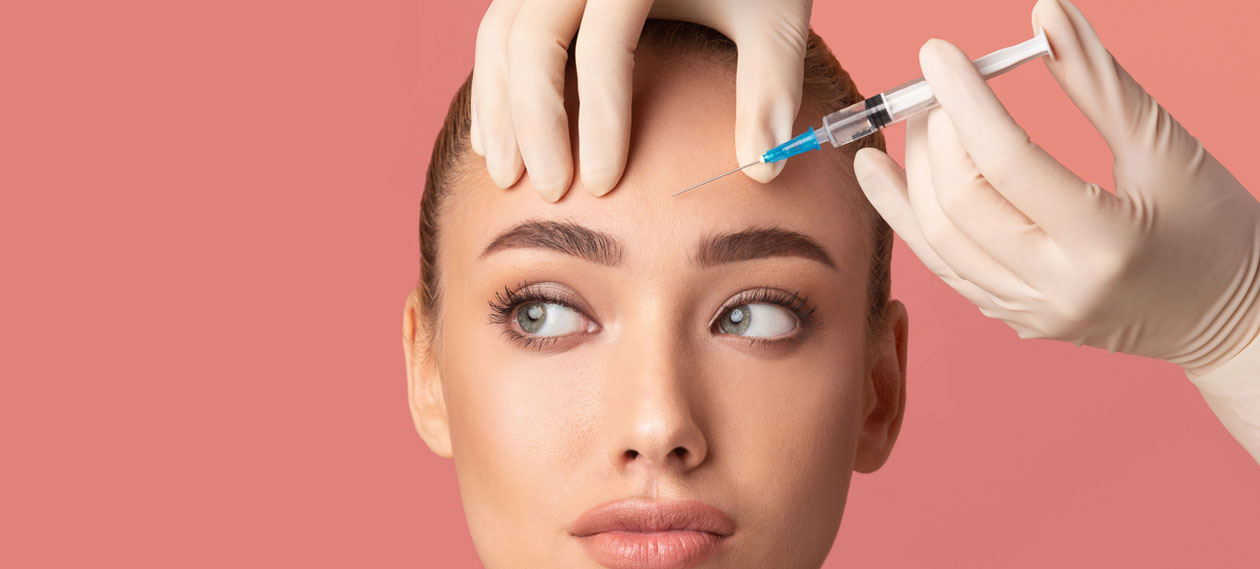
Skincare has traditionally focused on what happens at the surface: cleansing, moisturizing, exfoliating, protecting against the sun, and using ingredients intended to support healthier-looking skin. “Preventative” Botox is a term some people use for starting Botox before lines are established. This is an off-label use, and it has not been proven to prevent wrinkles.
Some patients ask about starting Botox earlier, before expression lines become deeply established. Because this is not an FDA-approved use, it is something to talk through with your provider rather than a routine part of skincare.
What Does “Preventative” Botox Mean?
Preventative Botox is not a separate type of Botox. The difference is primarily when and why it is used.
Botox temporarily reduces activity in selected facial muscles. BOTOX Cosmetic is FDA-approved for moderate to severe frown lines, forehead lines, crow’s feet, and neck bands. Treating before lines reach that stage is off-label, and its long-term benefit has not been established.
The objective is not to stop facial expressions altogether. Thoughtful treatment aims to reduce excessive repetitive movement while maintaining a natural appearance.
Why Expression Lines Become Permanent
When you smile, squint, frown, or raise your eyebrows, muscles repeatedly fold the skin above them. Younger skin tends to rebound quickly because it has strong collagen support and elasticity.
As skin changes over time, those temporary creases can begin taking longer to disappear. Eventually, a line that once appeared only during expression may remain visible when the face is relaxed.
By reducing selected muscle activity, Botox temporarily softens folding in the treated area, but it has not been shown to stop these lines from forming.
There Is No Set Age for Botox
There is no birthday that automatically signals it is time for Botox. Two people of the same age can have very different skin, facial movement, genetics, sun exposure, and wrinkle patterns.
Someone with strong forehead movement might develop persistent lines relatively early, while another person may not notice them for years. Looking at how the skin behaves is therefore more useful than choosing treatment based solely on age.
Why Conservative Treatment Matters
Botox treatment does not need to mean eliminating every hint of movement. In fact, maintaining expression is an important part of keeping results natural.
A conservative treatment plan can focus on FDA-approved areas where expression lines have already become visible. Dosage and placement can then be adjusted according to facial anatomy and individual goals rather than following a standardized formula.
Botox Does Not Replace Good Skincare
Although Botox can address muscle-related wrinkles, it cannot protect against sun damage, improve every type of pigmentation, or replace treatments designed to support skin texture and collagen.
A comprehensive approach to early aging may combine daily skincare and sun protection with professional treatments when appropriate. Chemical peels, microneedling, or IPL may address some concerns that Botox does not.
This distinction is important. Botox can be one part of a skin maintenance strategy, but it should not be expected to do everything.
Maintenance Should Remain Personalized
If you and your provider decide on Botox, the plan can be adjusted as your needs change. Treatment does not have to become progressively heavier over time. The amount used, areas treated, and timing between appointments should continue to reflect what the face actually needs.
Interest in starting Botox earlier has grown, but this preventative use is off-label and its long-term benefit has not been proven. If you are curious about it, your provider can explain the FDA-approved uses, the possible risks, and whether treatment makes sense for you.