Acne may be temporary, but the changes it leaves behind can remain visible long after breakouts have cleared. For some people, the primary concern is lingering discoloration. For others, acne damages the skin’s underlying structure and creates depressions, uneven texture, or more noticeable pores. These true acne scars can be particularly frustrating because conventional skincare products can only do so much to improve them.
Smoother-looking skin may be possible, but acne scar treatment usually requires patience. Rather than expecting a single treatment to erase scars, a typical approach focuses on gradual renewal and collagen remodeling.
Understanding What an Acne Scar Actually Is
Not every mark left by acne is technically a scar. Red or brown spots that remain after a breakout are usually changes in pigmentation rather than permanent alterations to the skin’s structure. These marks may gradually fade, although professional skin treatments can sometimes help improve their appearance.
True acne scars occur when inflammation damages tissue during the healing process. If the body does not produce enough collagen to rebuild the area evenly, a depression may remain. Acne scars can vary considerably in depth, shape, and severity, which is one reason treatment needs to be personalized.
Why Collagen Matters for Acne Scars
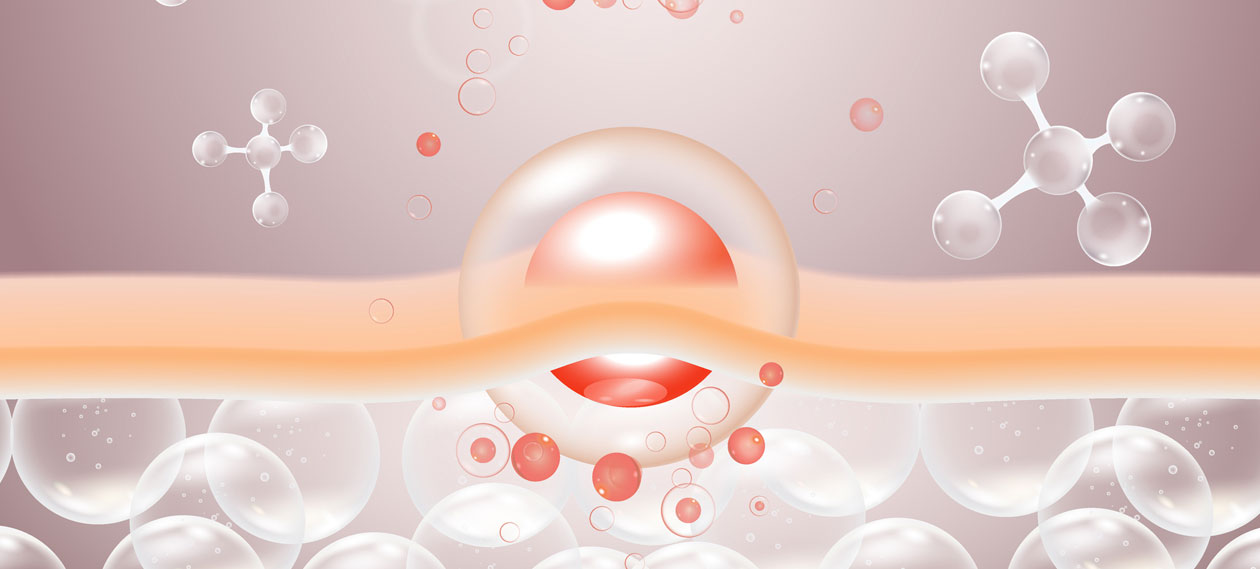
Collagen provides structural support within the skin. When acne leaves an indentation, encouraging new collagen may help soften how the area looks over time.
This process does not happen immediately. The skin needs time to respond to treatment and build new structural support. Improvements may continue developing for weeks or months, which is why acne scar treatment is better viewed as a gradual process than a quick correction.
Microneedling Can Encourage Skin Remodeling
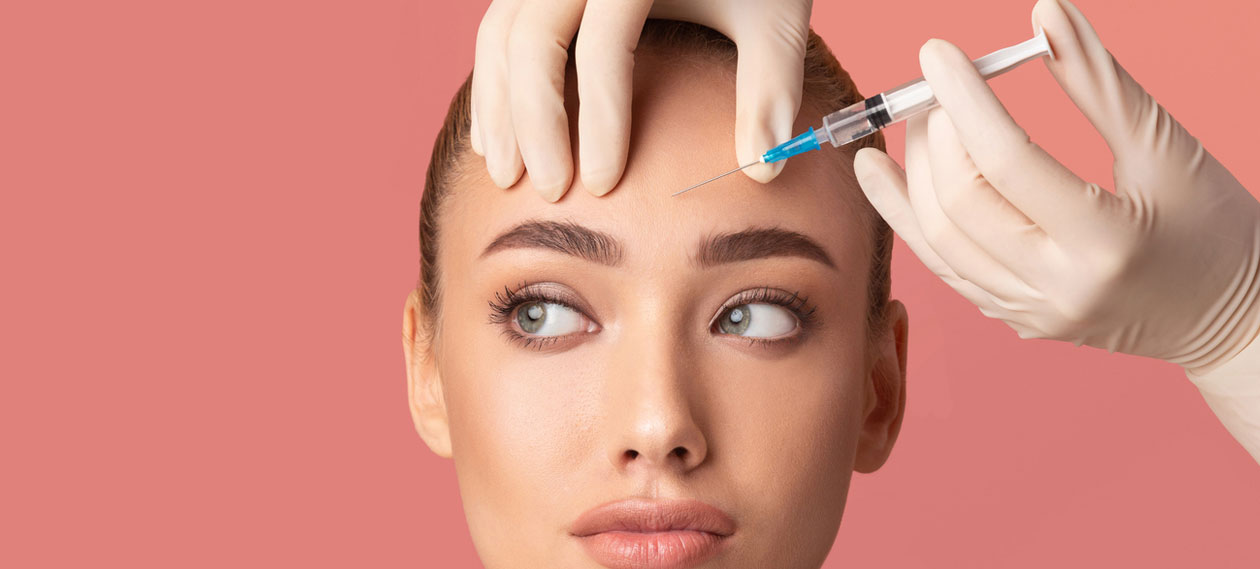
SkinPen is an FDA-cleared microneedling device for improving the look of facial acne scars in adults. It creates controlled microchannels that are designed to prompt the skin’s natural healing response, including collagen production.
Over a series of treatments, this remodeling process may help soften uneven texture and make certain acne scars less noticeable. It may also help the surrounding skin look smoother.
RF Microneedling Adds Another Dimension
RF microneedling combines controlled microneedling with radiofrequency energy delivered into deeper layers of the skin. The added heat is intended to provide another stimulus for collagen remodeling.
This may be useful when acne scarring is accompanied by broader texture concerns. Treatment depth and intensity can also be customized according to the condition of the skin and the goals of the individual.
Other Skin Concerns May Need Separate Attention
Acne scars often exist alongside discoloration, uneven tone, or surface irregularities. Addressing these concerns can improve the overall appearance of acne-affected skin even though they are not necessarily part of the scar itself.
Depending on the individual’s skin, a comprehensive approach might incorporate:
The right combination depends on what is actually contributing to the uneven appearance.
Why Consistency Is More Important Than Aggression
It can be tempting to pursue the strongest possible treatment when scars have been present for years. More aggressive treatment, however, is not automatically better. Skin needs adequate time to heal and remodel between sessions.
A carefully planned series of treatments gives the skin time to recover between sessions. Consistent sunscreen use is also important because UV exposure can contribute to discoloration and interfere with the goal of creating a more even complexion.
Realistic Expectations Lead to Better Treatment Plans
Acne scars cannot always be completely erased. The goal is generally to make them softer, smoother, and less noticeable while improving the overall quality of the skin.
Different scars may also respond at different rates. A consultation with your provider helps identify the type of scarring before deciding which treatment strategy makes sense.
Improving acne scars is rarely about finding one instant solution. It is about supporting the skin’s ability to renew itself and rebuild collagen over time. With an individualized plan, patience, and consistent care, the goal is texture that looks smoother and less prominent over time, although results vary.