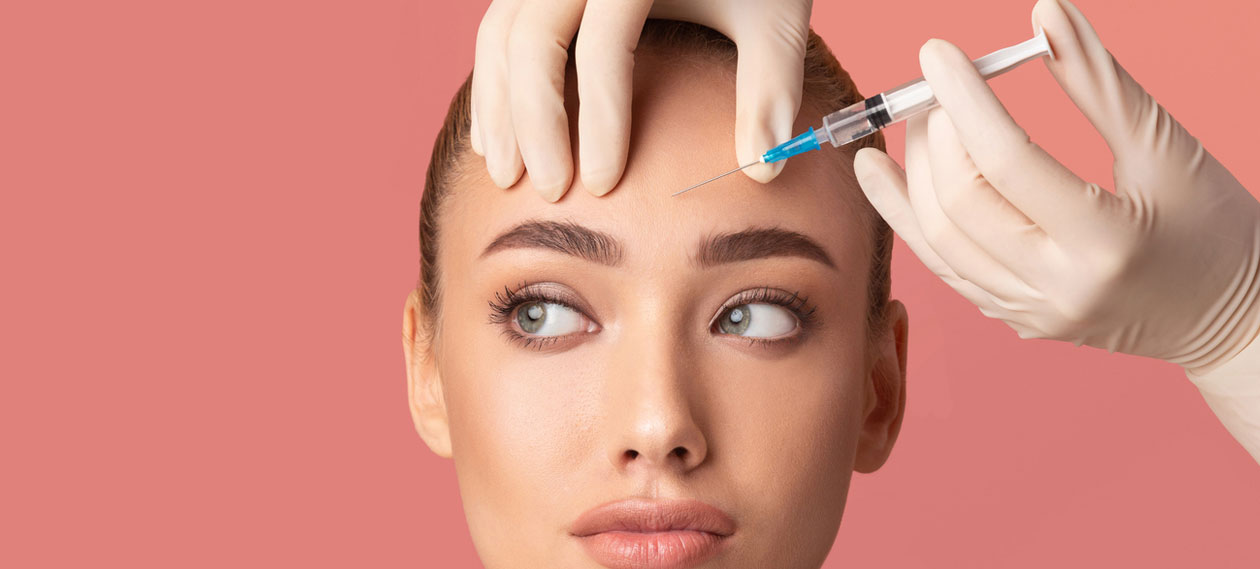
Botox has long been associated with treating existing wrinkles, but in recent years many people have become interested in using it earlier as a preventive measure. The idea behind preventative Botox is simple: by reducing the repetitive muscle movements that contribute to expression lines, it may be possible to slow the development of deeper wrinkles over time.
While preventative Botox has become increasingly popular, there is no universal age when everyone should start. The right timing depends on your skin, facial expressions, genetics, and aesthetic goals.
Understanding How Wrinkles Develop
Many of the lines that eventually become permanent begin as dynamic wrinkles. These are the lines that appear when you smile, squint, raise your eyebrows, or make other facial expressions. When skin is younger and more elastic, these lines typically disappear once the face relaxes.
Over time, repeated muscle movement combined with collagen loss and environmental factors can cause those temporary lines to linger. Eventually, they may become visible even when the face is at rest.
Preventative Botox aims to address muscle activity before those lines become deeply etched into the skin.
It Is Not About Age Alone
One of the biggest misconceptions about preventative Botox is that it should begin at a specific age. In reality, some people may notice early signs of persistent expression lines in their twenties, while others may not see them until much later.
Rather than focusing on a number, it is more helpful to pay attention to your skin. If you notice forehead lines, frown lines, or crow’s feet remaining visible after your face relaxes, it may be worth exploring whether preventative treatment is appropriate.
Genetics also play a role. Individuals with expressive faces or a family history of prominent wrinkles may notice changes earlier than others.
Less Is Often More
Preventative Botox is typically different from treatment aimed at correcting more established lines. The goal is not to eliminate all movement or create a frozen appearance. Instead, small amounts may be used to soften repetitive muscle activity while preserving natural expression.
A conservative approach often produces the most natural results. Friends and family may notice that you look refreshed without being able to identify exactly why.
Sun Exposure and Skin Quality Still Matter
Botox addresses muscle movement, but it does not prevent every aspect of skin aging. Sun exposure, collagen loss, hydration, and overall skin health all influence how wrinkles develop.
This is why many people combine preventative Botox with treatments that support skin quality, such as chemical peels, microneedling, or IPL treatments. Healthy skin often enhances the overall effect of any aesthetic treatment plan.
Signs You Might Be a Candidate
Preventative Botox may be worth considering if:
- Expression lines remain visible after facial movement stops
- Certain wrinkles seem to be becoming more noticeable over time
- You have strong facial muscle activity in specific areas
- You want a gradual, maintenance-focused approach to aging
Not everyone needs treatment early, and many people benefit from waiting until there are visible signs that repetitive muscle movement is beginning to leave a lasting mark.
The Goal Is Long-Term Maintenance
Preventative Botox is best viewed as part of a long-term strategy rather than a one-time solution. When used thoughtfully and conservatively, it may help delay the progression of certain expression lines while allowing you to maintain a natural appearance.
The best time to start preventative Botox is not determined by age alone. It is determined by how your skin is changing, how your facial muscles move, and what your personal goals are. A customized approach will always produce better results than following a trend or timeline.