Spider veins are a frequent cosmetic concern. These small, visible blood vessels often appear as red, blue, or purple lines near the surface of the skin. Many people dislike how they look, particularly when they develop on the legs or face.
Because spider veins tend to become more noticeable over time, understanding what causes them and how they can be treated is often the first step toward improving their appearance.
What Are Spider Veins?
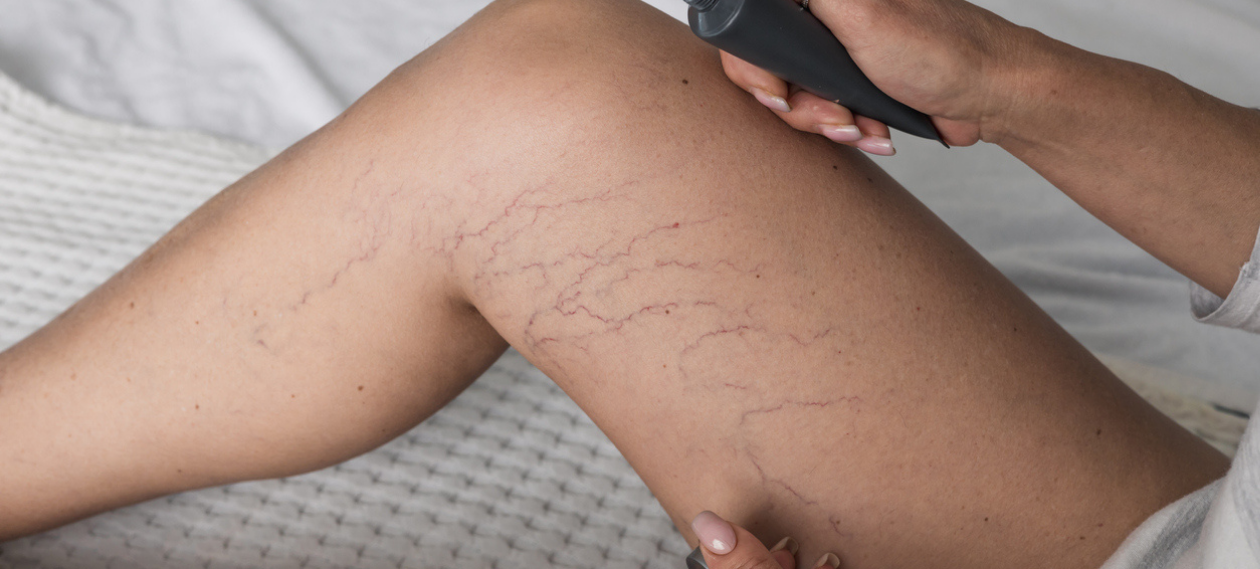
Spider veins are small dilated blood vessels that become visible through the skin. They often resemble fine branches, webs, or clusters of lines. Unlike larger varicose veins, spider veins generally remain close to the surface and do not create significant bulging.
Although they can develop almost anywhere, they are most commonly seen:
- On the legs
- Around the ankles
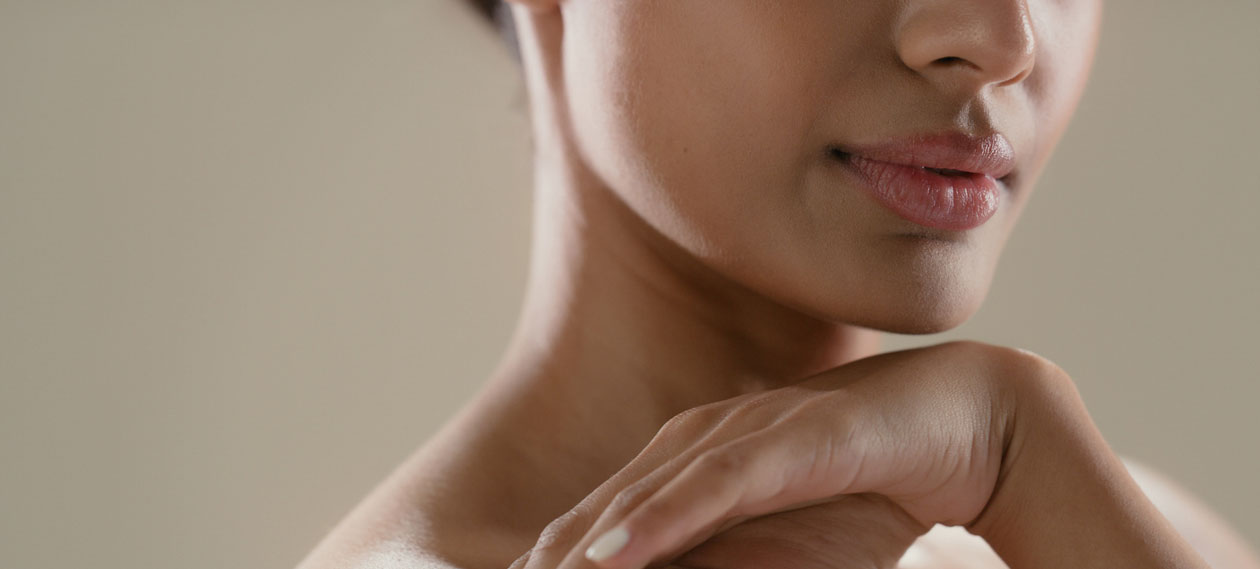
- Across the cheeks
- Around the nose
Their appearance varies from person to person depending on skin tone, vessel size, and location.
Why Spider Veins Develop
Several factors can contribute to spider vein formation.
Genetics
Family history may play a role. If close relatives have visible spider veins, you may be more likely to develop them as well.
Aging
As skin and blood vessels change over time, veins can become more visible. Reduced skin thickness may make underlying vessels easier to see.
Sun Exposure
Sun damage can weaken blood vessel walls and contribute to visible facial veins, particularly around the nose and cheeks.
Hormonal Changes
Hormonal fluctuations can influence circulation and blood vessel behavior. Pregnancy, menopause, and certain medications may contribute to the development of spider veins.
Prolonged Standing or Sitting
Occupations or lifestyles that involve extended periods of standing or sitting can place additional pressure on leg veins over time.
How Laser Vein Treatment Works
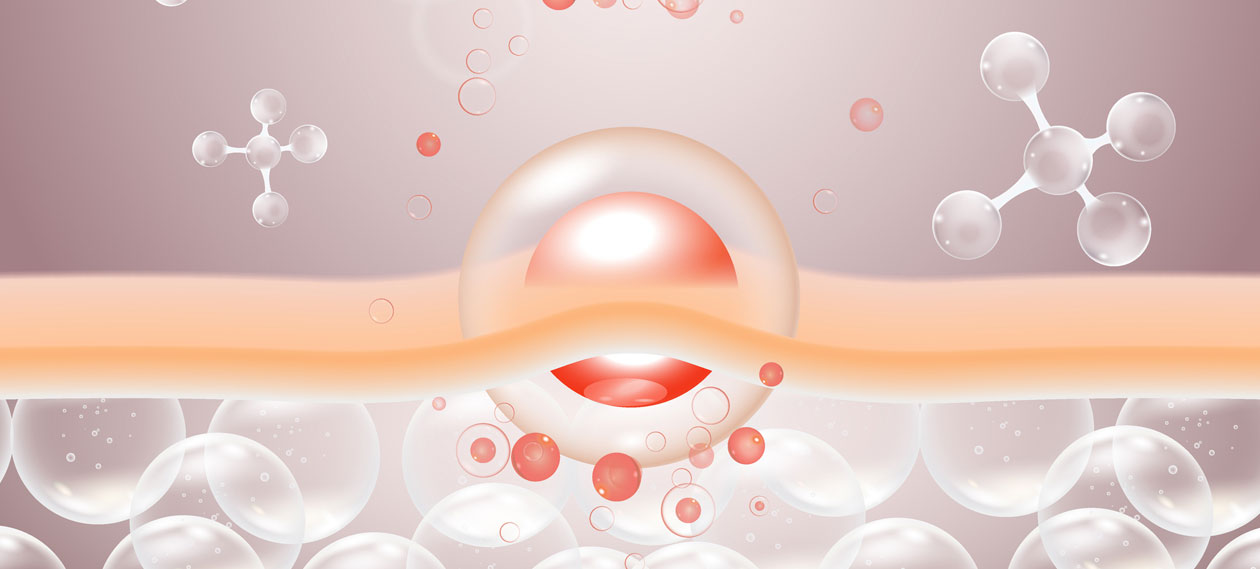
Laser vein treatment targets unwanted blood vessels using concentrated light energy. The light is absorbed by the blood inside the vessel, creating heat that is designed to make the vein collapse so the body can gradually absorb it.
Over time, the treated vessel may fade, although temporary redness, swelling, or bruising can occur.
Because the body clears treated vessels gradually, any visible change tends to develop slowly after treatment.
What to Expect After Treatment
Some veins may respond quickly, while others require multiple sessions. Factors such as vessel size, depth, and location can influence treatment response.
Possible results, which vary by person, include:
- Reduced visibility of treated veins
- Improved skin appearance
- More even-looking complexion in treated areas
Maintaining good sun protection habits may also help support long-term results, particularly when treating facial veins.
When to Consider Treatment
Spider veins rarely disappear on their own, and some people choose treatment because the vessels become more noticeable over time. Veins that cause pain, swelling, or bulging should be checked by a medical provider.
Laser vein treatment is a non-surgical option for addressing visible veins. Your provider can discuss whether it is appropriate for you and what kind of change is realistic for your skin.