Facial aging does not happen in only one way. Expression lines can become more noticeable, facial volume can gradually shift or diminish, and changes in skin support can alter the overall balance of the face. Because several processes occur simultaneously, addressing just one wrinkle or one area of volume loss may not always create the most harmonious result.
A liquid facelift takes a broader approach. By strategically combining Botox with dermal fillers, it can address both muscle-related wrinkles and selected areas of volume loss without dramatically changing the features that make a face recognizable.
The key to a successful liquid facelift is not using more injectable product. It is knowing where subtle adjustments can make the greatest difference.
What Is a Liquid Facelift?
A liquid facelift is a customized injectable treatment designed to refresh the appearance of multiple areas of the face. Rather than relying on one product everywhere, different injectables can be selected according to the concern being treated.
Botox can soften wrinkles associated with repetitive muscle movement. Dermal fillers can be used in appropriate areas where volume, support, contour, or definition may benefit from enhancement.
Used together, these treatments may address more of the changes involved in facial aging than either one would on its own.
What Botox Contributes
Some of the most familiar signs of facial aging are caused partly by years of repeated expressions. Frowning, squinting, smiling, and raising the eyebrows continually fold the skin.
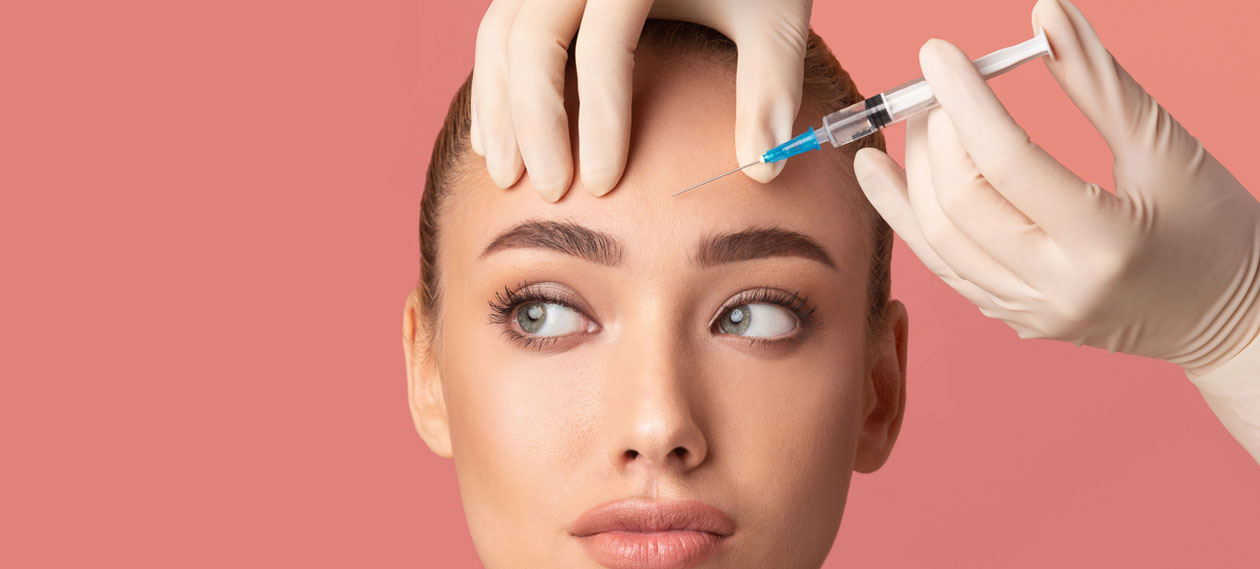
Botox temporarily reduces activity in selected muscles, helping soften expression-related lines. The objective is generally not to eliminate all movement. Careful dosing can reduce the appearance of targeted wrinkles while preserving natural expression.
This addresses one component of facial aging, but it does not restore volume. That is where fillers can play a complementary role.
How Fillers Can Add Support
Dermal fillers can be strategically placed to add volume in areas where additional support is appropriate. Depending on the patient’s anatomy and goals, fillers may be used for the cheeks, lips, or other carefully selected facial areas.
The Bliss Room offers a variety of filler options, including products within the JUVÉDERM and Restylane families, Revanesse Versa, and Sculptra. Different products have different characteristics, making product selection an important part of creating a personalized plan.
Rather than filling every line individually, a thoughtful approach considers facial proportions and how one area influences another.
Why Combining Treatments Can Look More Natural
Trying to solve every aging concern with filler alone can lead to unnecessary volume. Similarly, Botox cannot restore structural volume where it has diminished.
Combining treatment types allows each product to do the job it is designed to do.
For example, softening an expression line with Botox may reduce the need to compensate for it elsewhere. Restoring appropriate facial support with filler may improve overall balance without requiring excessive product in individual folds or lines.
The result can be more cohesive because the treatment addresses different causes rather than applying the same solution everywhere.
A Liquid Facelift Should Still Look Like You
The term “facelift” can make the treatment sound dramatic, but natural-looking injectable treatment is usually built around subtlety. The goal should not be to create a completely different face.
Facial shape, proportions, movement, and existing features all need to be considered. Some patients may benefit from treatment in several areas, while others may need only a few targeted adjustments.
More syringes or more treatment areas do not automatically produce a better liquid facelift. Restraint is often what keeps the final result balanced.
Skin Quality Is Still Part of the Picture
Botox and fillers can address movement and volume, but neither replaces healthy skin. Pigmentation, sun damage, acne scars, rough texture, and other surface concerns may still be visible after injectable treatment.
Depending on individual needs, treatments such as IPL, SkinPen, RF microneedling, chemical peels, or skin resurfacing can complement an injectable plan by addressing skin quality.
Considering these different components helps keep injectables from being asked to solve concerns they were not designed to treat.
Building Results Gradually
A liquid facelift does not need to be completed aggressively in one appointment. A staged approach can make it easier to maintain natural proportions and assess how each adjustment affects the overall face.
This philosophy is particularly useful for patients who are concerned about looking overfilled or noticeably “done.” Starting conservatively leaves room to refine the result when needed.
A successful liquid facelift is ultimately about balance. Botox can soften selected expression lines while fillers add volume where appropriate. When both are used thoughtfully, the combination is intended to create a refreshed, balanced appearance that keeps the natural features and expressions that make you look like yourself. Results vary from person to person, and your provider can explain what is realistic for your face.