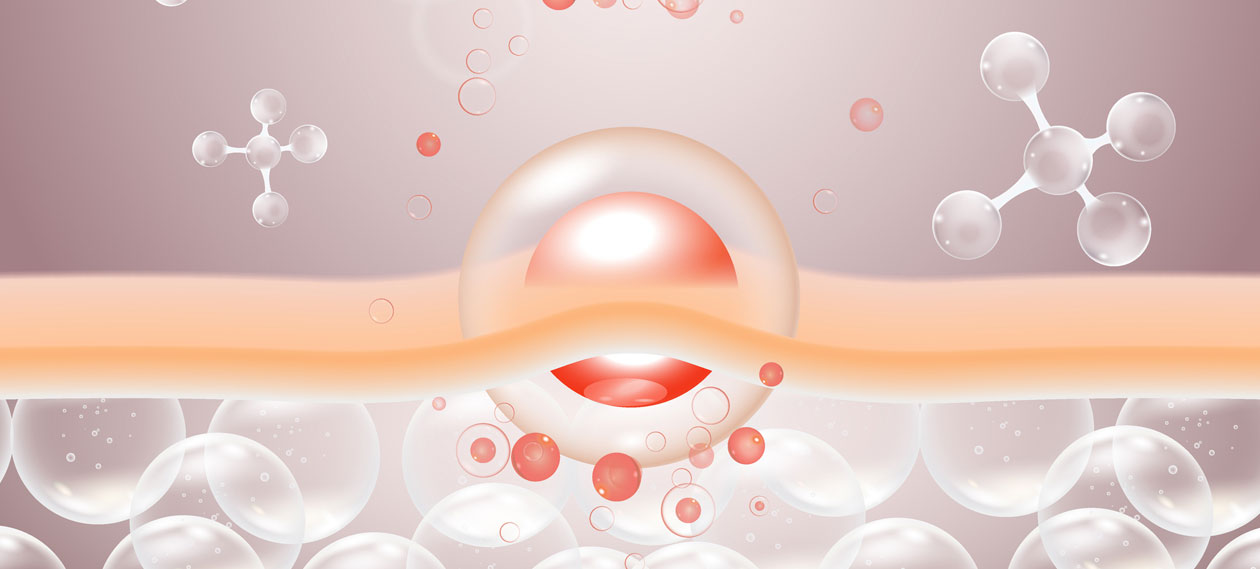
Collagen is essential to the skin’s structure. It helps provide firmness, strength, and support, contributing to the smooth, resilient appearance commonly associated with younger skin. As natural collagen production gradually decreases, skin can begin to look thinner, softer, and less firm. Fine lines and textural changes may also become more noticeable.
Although collagen loss is a natural part of aging, there are ways to protect existing collagen and encourage the skin’s own regenerative processes.
Why Collagen Production Changes
The body continually produces and remodels collagen, but this process becomes less efficient over time. Natural aging is only part of the equation. UV exposure and other environmental factors can also contribute to collagen breakdown.
As the skin’s structural support changes, you may begin noticing fine lines that remain visible at rest, less firmness through certain areas, or a general change in texture.
This is why supporting collagen is about more than treating individual wrinkles. It involves maintaining the underlying quality of the skin.
Protect the Collagen You Already Have
Before thinking about stimulating new collagen, it is important to minimize unnecessary breakdown. Sun protection is one of the most valuable steps.
UV radiation contributes to changes in collagen and elastin, accelerating visible signs of photoaging. Consistent broad-spectrum sunscreen use, along with sensible sun avoidance and protective clothing, helps reduce this ongoing damage.
A consistent skincare routine can also help maintain a healthier skin barrier and support overall skin quality.
Microneedling Stimulates a Natural Repair Response
Microneedling is designed specifically to activate the body’s healing processes. SkinPen creates controlled microchannels in the skin, prompting a repair response that includes collagen and elastin production.
Rather than adding volume to the skin, microneedling encourages the skin to remodel itself. Over time, this can help improve the appearance of fine lines, uneven texture, and acne scars while supporting a firmer, smoother complexion.
Because collagen formation takes time, results develop progressively rather than immediately.
RF Microneedling Combines Needling and Energy
RF microneedling builds on traditional microneedling by delivering radiofrequency energy beneath the skin’s surface. This controlled thermal energy provides another stimulus for collagen remodeling.
The combination can be useful when concerns include texture, fine lines, and mild skin laxity. As with traditional microneedling, improvements continue developing as the skin completes its natural remodeling process.
Skin Resurfacing Can Support Rejuvenation
Skin resurfacing treatments can also play a role in improving the visible signs associated with aging skin. By encouraging renewal and addressing damaged or uneven skin, resurfacing can improve texture and create a smoother appearance.
Medical-grade chemical peels may also be incorporated when surface dullness, texture, or uneven tone is part of the concern.
Collagen Building Requires Patience
One important distinction between collagen-focused treatments and treatments that create immediate cosmetic changes is timing. The body cannot build meaningful new collagen overnight.
Patients may notice early improvements in skin quality, but remodeling can continue for months. Depending on the treatment and the concern being addressed, a series of sessions may be recommended.
Supporting collagen production is therefore best viewed as a long-term skin strategy. Protecting skin from UV damage, maintaining consistent skincare, and choosing treatments that stimulate natural remodeling can work together to preserve a smoother, firmer, healthier-looking complexion.
The goal is not to stop normal aging. It is to support the structures that help skin maintain its strength and resilience so changes can occur more gradually and naturally.